Faith

  • No More Mere Christianity?

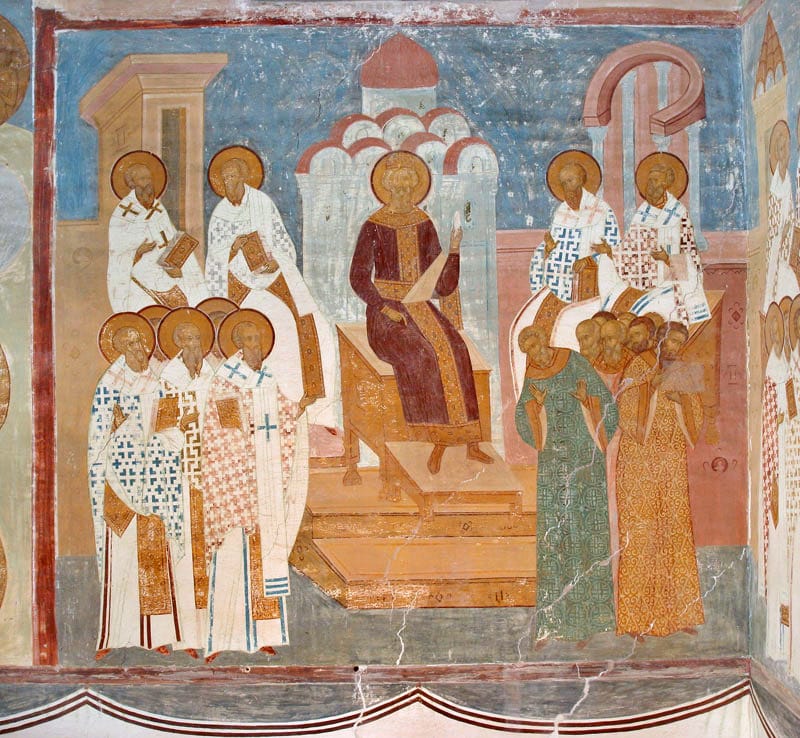
    Jake Meador, editor-in-chief of print and web publication Mere Orthodoxy, has noticed the rise in Christian denominational distinctiveness that stands in contrast to a “mere Christianity” type of ecumenical approach.

    Younger people who have grown up without tradition or custom and often strapped to a screen for hours every day desire belonging, desire to enter into something that offers moral direction, identity, and a fixed way of life they don’t have to generate for themselves. But the only way to have something like that is through particularity and even some hard edges. So, Scrivener argues, Mere Christianity is out. Orthodoxy is back. Rome is back. Distinct Protestant traditions are back. In short, denominationalism is back.

    I’ve seen this with the incredible explosion of interest in Eastern Orthodoxy, which is very distinctive. I’ve seen Presbyterians move to Rome. I’ve seen curiosity about Anglicanism. At this point, it seems the more your church leans into what makes it unique, the more attractive it is going to be for the seeker.

    (more…)
  • Orthodox Burnout

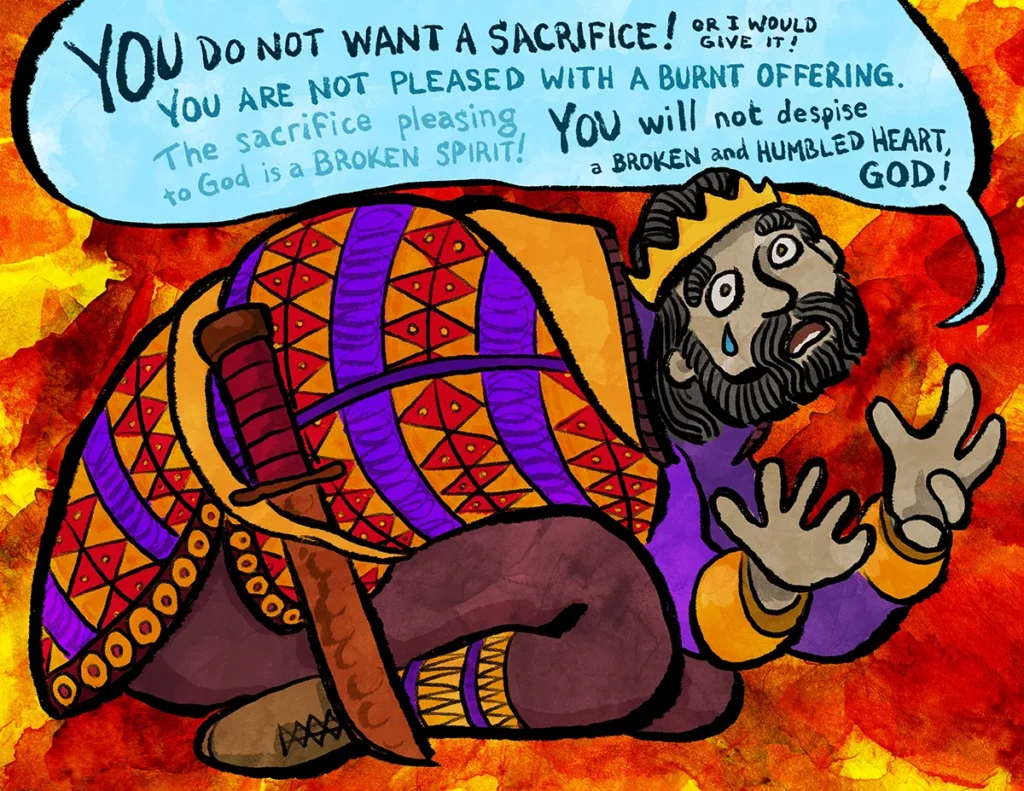
    A new blog/newsletter to me as of today is Ghost Drive America, which belongs to Edwin Robinson.1 Robinson writes about burnout five years after becoming Orthodox as part of a ROCOR church.

    I haven’t been Orthodox quite as long as Robinson, but nevertheless, I identified with almost all his points. One in particular that struck me was his belief that his conversion would eventually draw in his family.

    (more…)

  • Ascension Serif

    My pen pal Adam thought I would enjoy this video and he was right. The short combines my love of fonts and of prayer books.

    The new typeface, Ascension Serif, is used with an upcoming version of The Liturgy of the Hours. The video emphasizes the pursuit of beauty in conveying the Christian message and providing inspiration.

    Fediverse reactions

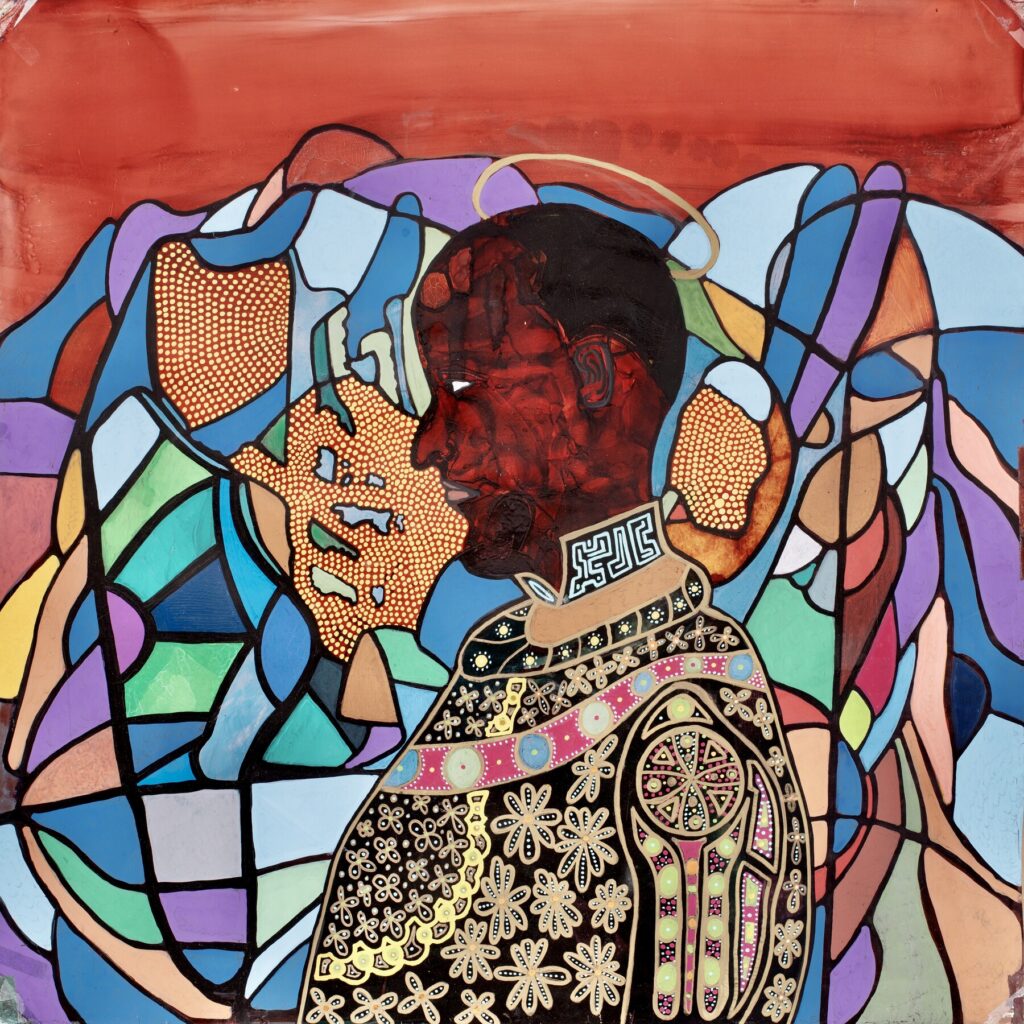
  • Moses The Black

    Artist: Hunter Biden


  • The Pontiff vs. AI

    The pope is so hot right now. Everyone is discussing the long-awaited Magnifica Humanitas papal encyclical from the Roman Pontiff. It makes sense. In a world where much of the responsibility for moral leadership has been abdicated, we are in much need of a figure who can provide that leadership with reach and authority. Enter Pope Leo XIV, who took his name when he ascended to the papacy from the previous Pope Leo XIII, who dedicated much of his time to helping the world come to grips with industrialization.

    read more…

  • There are some amazing photos of holy sites in France coming from @eastbrad. I was especially enthralled with Mont-Saint-Michel.


  • Bishop Militia

    Most of you may know that I joined the Orthodox Christian church two years ago. I came from a lifelong background with mainline Christian churches. The Orthodox Church doesn’t describe itself as a denomination, but rather as pre-denominational, tracing its lineage back to the Apostles.

    read more…

  • Sacred Alaska Is So Much Further Than Lincoln Nebraska

    My wife and I just finished watching the 2024 documentary Sacred Alaksa. The film was shown during family ed night at our parish a few weeks ago, but I was celebrating my brother’s birthday and couldn’t make it. I was disappointed not be to able to attend and resolved to see the film in short order.

    “Sacred Alaska” is an award-winning documentary that offers an intimate look into Native Alaskan culture and spirituality. It showcases the profound influence of Orthodoxy, introduced by Russian monks in the late 18th century, on Alaskan society. The film highlights the unique way Alaskans have woven their indigenous beliefs with Orthodox traditions, deeply influencing their worldview. Central to this is the concept of learning to become a “real person.” Through beautiful cinematography and powerful storytelling, “Sacred Alaska” underscores the profound, sacred bond between the Alaskan people, their faith, and the formidable landscape they call home.

    read more…

  • Friends of Mt. Athos

    I enjoyed this trip through Mt. Athos from the lense of an outsider. Of special interest to me were the descriptions of the icons, their history and their presence.

    I expected I was the only person in the space, until I sensed another presence emanating, inexplicably, from the icon of St. Anne. Her face was blackened from centuries of devotional candles. The instinct of an art historian might be to accurately date it, or even to clean it. This was a welcome thought that put me safely in the driver’s seat of this encounter. But then all such ambition evaporated, and it felt more like the icon wanted to clean me. I looked into Anne and Mary’s blackened faces. With enough prayer and candle smoke, I suppose every icon is on its way to becoming black.

    The story of the the Gatekeeper icon is one of those wonderous Orthodox tales of which I am so fond. The combination of the material and the spiritual lodges powerful concepts in my mind.